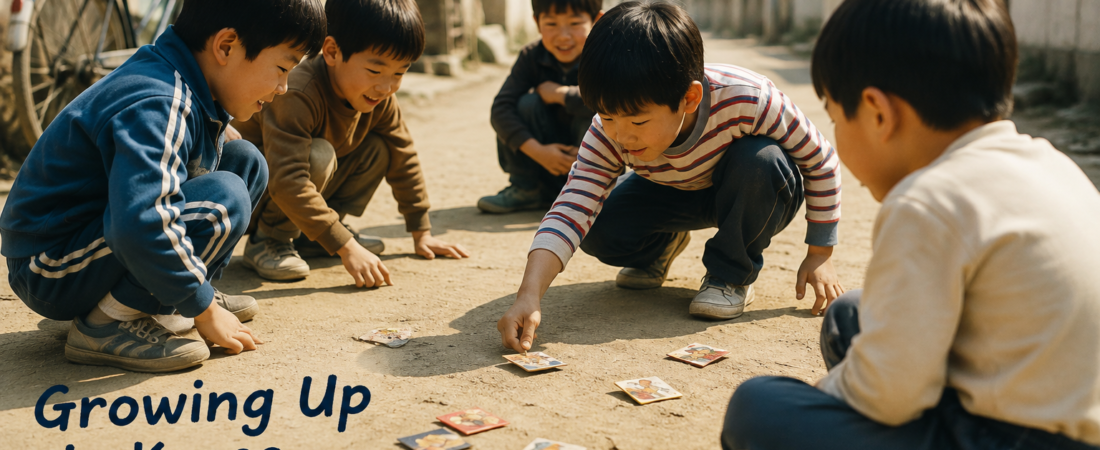
My earliest memories go back to before I was five years old.
When I think about the adults around me back then, what I remember most is how hard they worked. Many parents left for work before sunrise and didn’t come home until after dark.
It was also common, at least in the world I remember, for grandparents to help raise their grandchildren.
That was the case for me.
I was born in Seoul, but until I was about five years old, I lived in the countryside with my grandmother.
The village where I lived was mostly houses surrounded by rice paddies and fields.
Looking back, there really wasn’t much for a little kid to play with.
There were foxtail grasses to pick, dandelion seeds to blow into the wind, and endless space to run around.
That was pretty much it.
Under the blazing summer sun, there was sometimes nothing around me but grass, fields, and rice paddies. And yet somehow, I could spend the entire day just running around.
I have no idea what made it so much fun.
But when I think back to those years, what I remember most is laughing.
Coming Back to Seoul
By the time I started school, I had returned to Seoul.
And there were three things that made my childhood there especially fun:
Comics, ttakji, and spinning tops.
We sometimes played with jump ropes and rubber bands, too.
In my neighborhood, rubber-band jumping was mostly a girls’ game. Some of us boys had a particularly annoying game of our own: cutting the girls’ rubber bands and running away.
Looking back now, I’m pretty sure the girls didn’t find that nearly as funny as we did.
We would annoy each other, argue, and sometimes get genuinely angry.
But the next day?
We were always back outside playing together.
We all lived in the same neighborhood and saw each other almost every day. In some ways, the kids I grew up with felt less like friends and more like brothers and sisters.
The Day I Lost All My Ttakji
There are a couple of memories from those days that I can still picture clearly.
One day, I lost every single one of my round ttakji while playing with the other kids.
I went home and cried my eyes out.
Another time, I played spinning tops against an older boy who lived downstairs.
In a single day, I lost five tops to him.
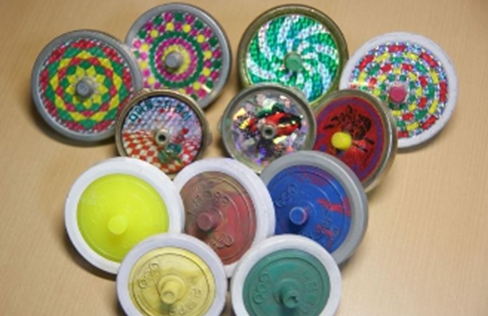
Five.
To the child I was then, it probably felt like I had lost everything I owned.
What Kind of Ttakji Did We Play With?
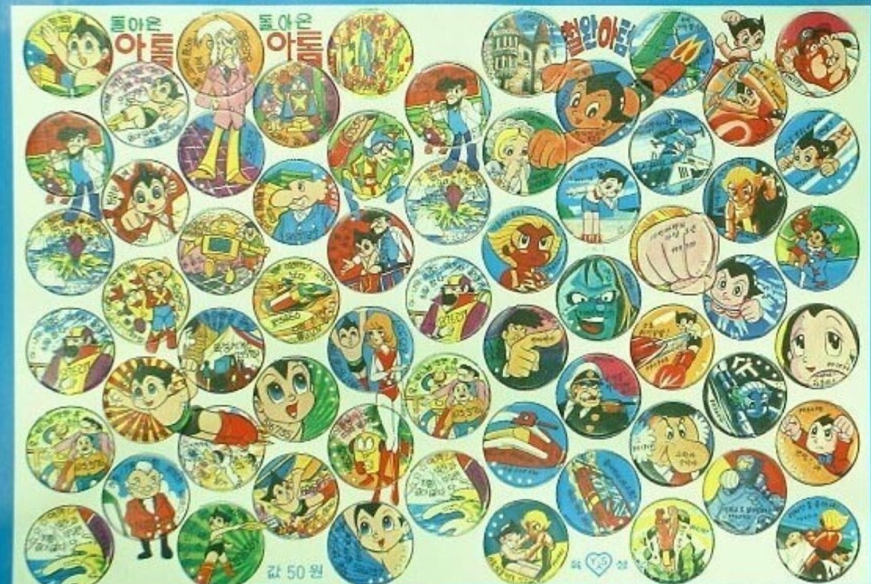
If you know Korea mostly through its modern culture, you may have heard of ttakji before.
Ttakji is a traditional Korean game played with folded paper pieces. Players try to flip an opponent’s piece by striking the ground with their own.
The ttakji I remember playing with as a child, however, weren’t necessarily the same kind people might recognize today.
Mine were round, and to me they weren’t cultural artifacts or traditional toys.
They were just something we played with.
The same was true of spinning tops.
They weren’t nostalgic back then.
They were simply part of being a kid.
Would It Still Be Fun Today?
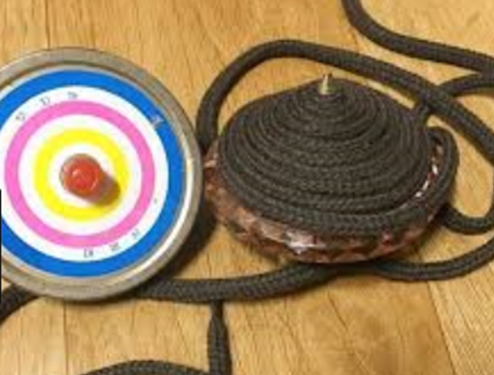
You don’t see these games everywhere in Korean neighborhoods anymore.
But you can still occasionally find old-fashioned ttakji and spinning tops in places devoted to Korea’s past or in shops selling nostalgic toys.
And writing about them has made me wonder about something.
Would I still enjoy playing with them today?
They gave me endless hours of fun when I was a child.
But would a man in his forties feel the same excitement trying them again?
I genuinely don’t know.
Maybe someday I’ll find the kinds of ttakji and tops I remember, bring them home, and try playing with them with my child.
I might even make a video of it for this blog.
It would be interesting to see whether one of my childhood memories could become a completely new game for my child.
And maybe it could be a fun new game for someone who grew up on the other side of the world, too.
So now I’m curious.
What was your childhood like?
While I was playing with ttakji and spinning tops in Korea, what were you playing with where you grew up?